Wildlife in the crossfire
Discover the devastating impact of wildfires on the diverse wildlife of the Angelina National Forest. Learn about the species at risk, the destruction of their habitats, and what you can do to help protect these vulnerable creatures.
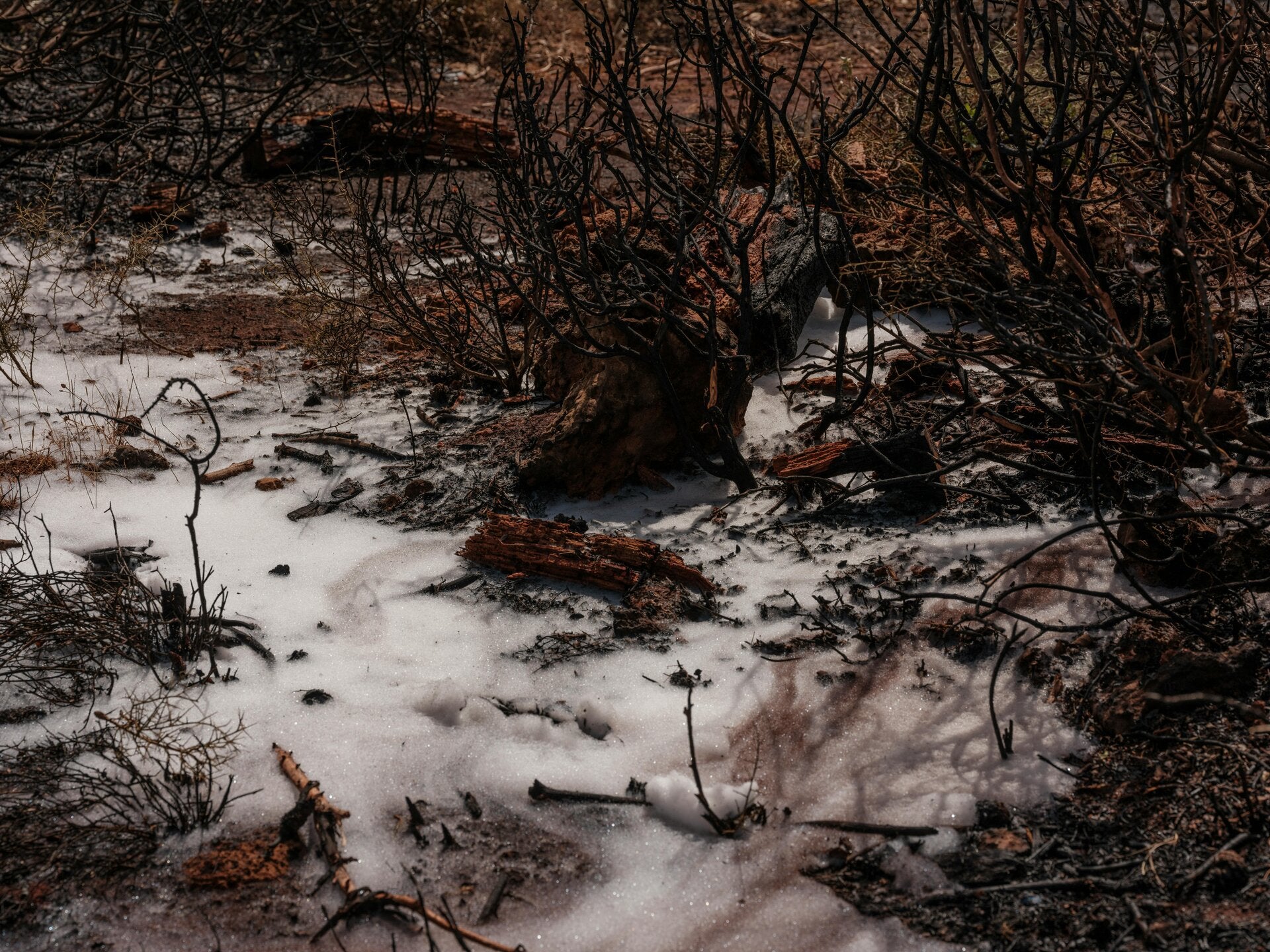
Species at risk
Wildfires in the Angelina National Forest pose a significant threat to a wide range of species, including plants, birds, ducks, and bears, as well as various other forms of wildlife. The rapid spread of fire can overwhelm these animals, leaving them with little chance of escape. Their vulnerability stems from their dependence on the forest ecosystem for food, shelter, and breeding grounds, all of which can be decimated by wildfires.
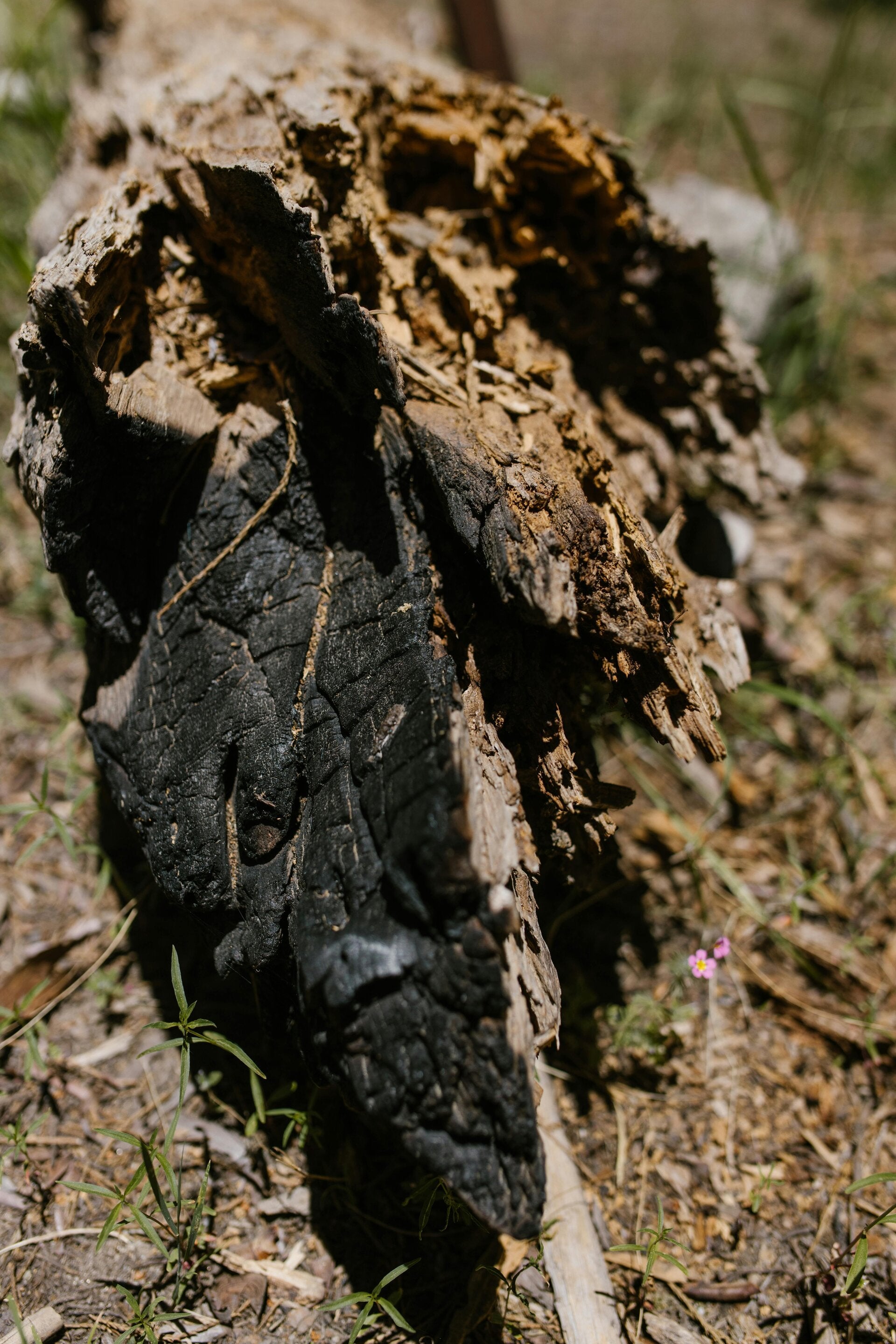
Habitat transformation
Wildfires drastically alter the ecosystems and living spaces within the Angelina National Forest. These changes affect the habitats of plants and animals alike, disrupting their natural behaviors and survival strategies. The long-term consequences include loss of biodiversity, increased competition for resources, and potential displacement of species as they struggle to adapt to the new environment.

Protecting wildlife
Protecting wildlife and their habitats from wildfires requires a collective effort. By adhering to fire safety guidelines, such as properly extinguishing campfires and avoiding activities that could spark a flame, individuals can significantly reduce the risk of wildfires. Supporting conservation organizations and participating in habitat restoration projects are also crucial steps in ensuring the long-term health and resilience of the Angelina National Forest and its wildlife.
Create Your Own Website With Webador