Unveiling the aftermath
Dive into our research findings on the impact of wildfires on wildlife in the Angelina National Forest. Explore the extensive research and insights that underscore the critical need for caution and understanding. This is where science informs awareness.
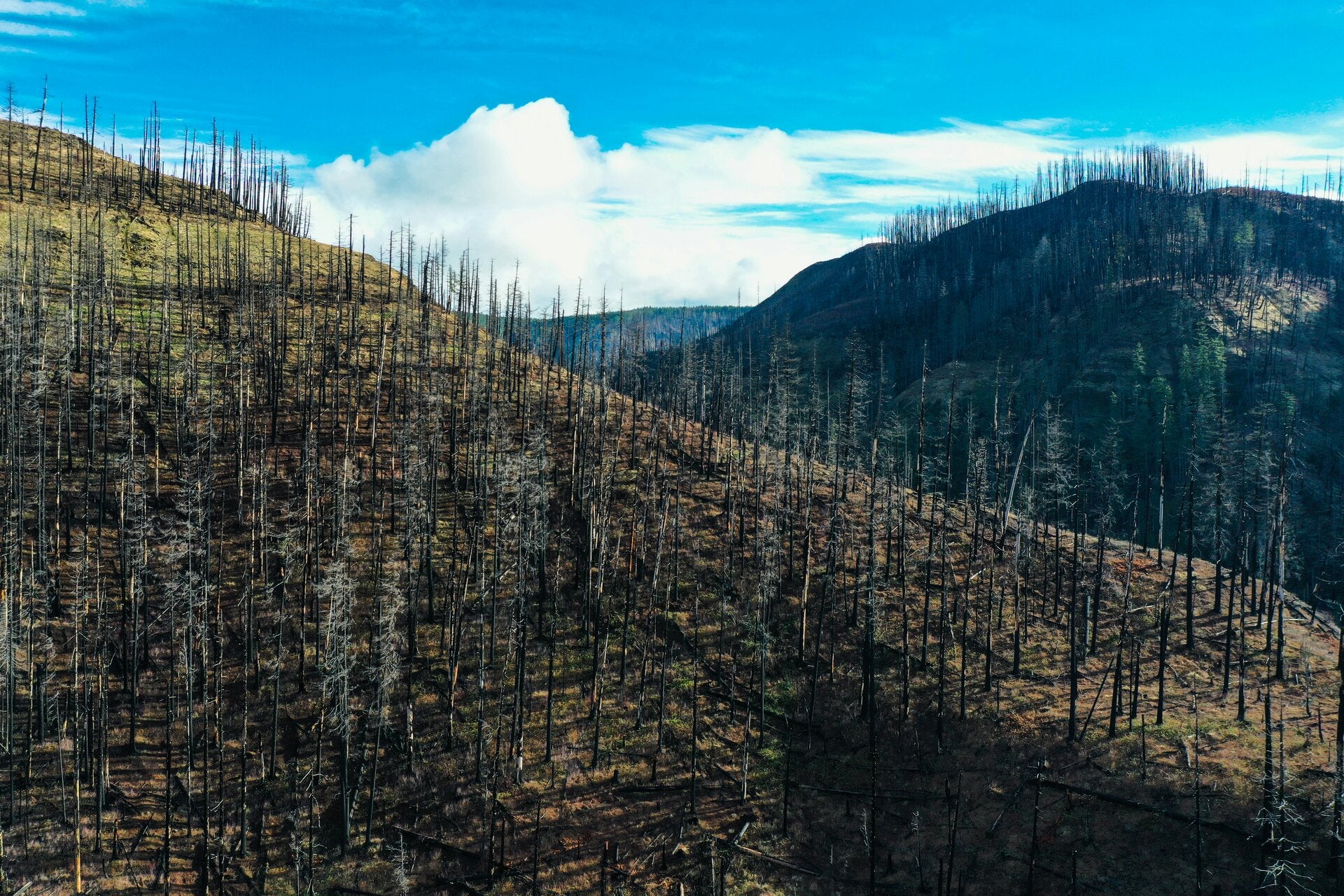
Understanding wildfire damage in East Texas
Our research emphasizes the large-scale damage caused by wildfires, particularly in East Texas. We have found that wildfires not only destroy timber, but also disrupt vital ecological functions like carbon storage, water quality, and wildlife habitat. For example, the Texas A&M Forest Service reported that recent wildfires destroyed $97 million worth of timber and burned over 200,000 acres. This context is crucial for understanding the far-reaching environmental consequences of intense burning on East Texas landscapes and their dependent ecosystems.

The role of logging and forest management
Our findings highlight how human decisions, such as commercial logging practices, significantly reshape the landscape and its capacity to support wildlife. The Texas Observer notes that large areas of East Texas public forests have been managed as uniform pine plantations, reducing the structural and species diversity needed for a wide range of wildlife. Recent policy changes threaten the ecological health of these forests, making it essential to understand how forest management impacts recovery post-wildfire. This information is crucial to our research question, “How does the biota of the habitat recover post-wildfire incidents?”

Prescribed burns and ecosystem health
Our research supports the use of prescribed burns as a vital tool for maintaining healthy ecosystems in Texas. In 2023, severe drought and heat led to numerous wildfires in East Texas. A U.S. Forest Service comparison showed that Upland Island Wilderness, with regular prescribed fires, experienced smaller, more controlled wildfires compared to Indian Mounds Wilderness, which hadn’t been burned since 1983. The Texas Parks & Wildlife Department also emphasizes that prescribed burns reduce fuel loads, recycle nutrients, and improve habitat for animals. These findings reinforce the importance of proactive vegetation management to protect wildlife and reduce the risk of extreme destruction.

Impacts on wildlife and recovery
Our research aligns with the Texas A&M AgriLife Extension's findings that many Texas wildlife species are adapted to periodic fire. While immediate mortality from fire is generally low, indirect impacts like loss of cover and food supply are significant. The National Forests blog highlights how wildlife responds to wildfires through behaviors such as flight and seeking refuge. Our research underscores that vegetation recovery is crucial for rebuilding animal habitats, providing food and shelter for insects, birds, and mammals. This recovery, however, depends on the severity of the fire and emphasizes that wildfires can play a role in restarting the cycle of life.
We hope that by exploring these research findings, you'll gain a deeper understanding of the impacts of wildfires on wildlife in the Angelina National Forest and the importance of cautious behavior to prevent wildfires. Our findings are particularly focused on the specific damage and ecological context of this region, offering unique insights into local challenges and recovery processes.
Create Your Own Website With Webador